
Flawlessness needs to be demonstrated when measuring a door if draughts and sticking are to be prevented and you manage to fit it without any problems. By the end of this blog article, you’ll have learned how to get it done for existing frames and new door sets, including information about gaps and the subject of going bespoke.
Measure The Frame Or Opening
If measuring for a brand-new front door, you’re urged to measure the actual frame rather than the current door, as there’s a chance the door might have swelled or shrunk.
When there’s no existing frame, use a metal tape measure from brick-to-brick to get a recording and then deduct the frame size from the measurement.
Find the width by going brick to brick in a straight line across the top, middle and bottom of the opening and log the smallest measurements you get.
Follow the same procedure for the height, but in a straight line on the left, centre and right sides of the opening, with the smallest measurements being the most important.
Gaps, Clearances And Trimming
A door shouldn’t catch as it’s being open or closed if you leave small, even gaps of about 3mm at the top and sides and around 9mm at the bottom.
There’s a small amount of lipping in most new doors (a solid timber strip along the edges) because it can then be moderately planed or trimmed to achieve the desired clearance.
Have a proper read of the manufacturer guidelines as they will outline what the trimming limits are – an important detail for the fitting process.
UK Door Sizes And Bespoke Options
Most door manufacturers abide by a series of common door sizes, with 1981 x 762 x 35 mm (roughly 6’6” × 2’6”) being a very typical size. However, size variants do exist.
Here are just two examples of additional UK internal door sizes:
1981 × 686 × 35 mm (6’6” × 2’3”)
1981 × 838 × 35 mm (6’6” × 2’9”)
Be conscious of door thickness as well, because fire-rated doors (FD30) are generally 9mm thicker than standard internal doors (44 mm against 35 mm). Always try and work to the closest standard size.
It’s advocated that you choose a bespoke door solution when an opening is well beyond standard dimensions, a frame is unsquared, or a non-standard thickness is needed.
The Essentials And Vital Steps
Find or buy a rigid metal tape measure, along with a pencil and some paper. You need everything cleared away first and to remove any door stops and trims before measuring gets underway. Do measurements in metric millimetres and always use the smallest measurements for width, height and depth.
For accurate alignment, also get measurements of the depth of the door frame and the door rebate (this is where the door sits within the frame).
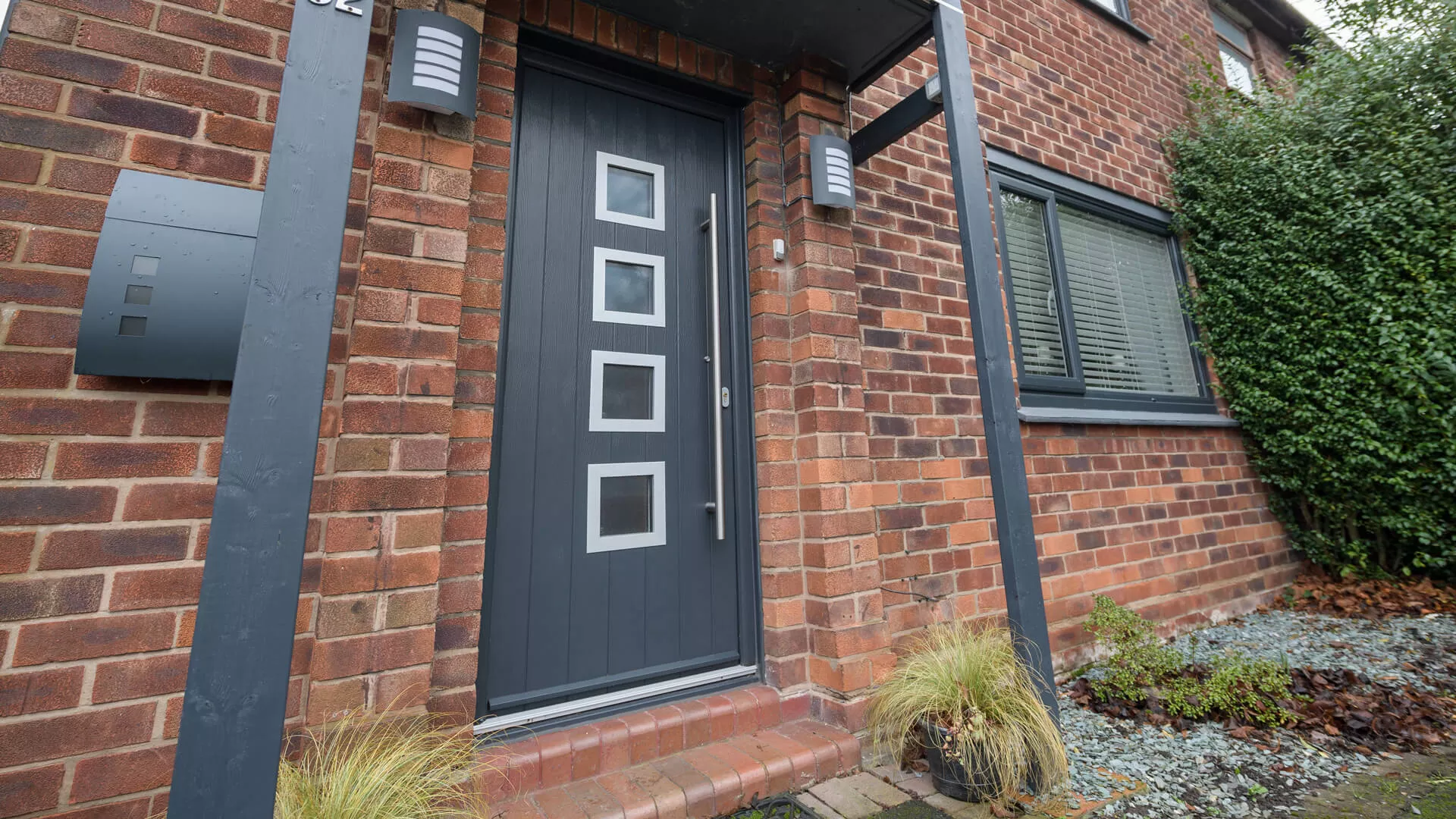
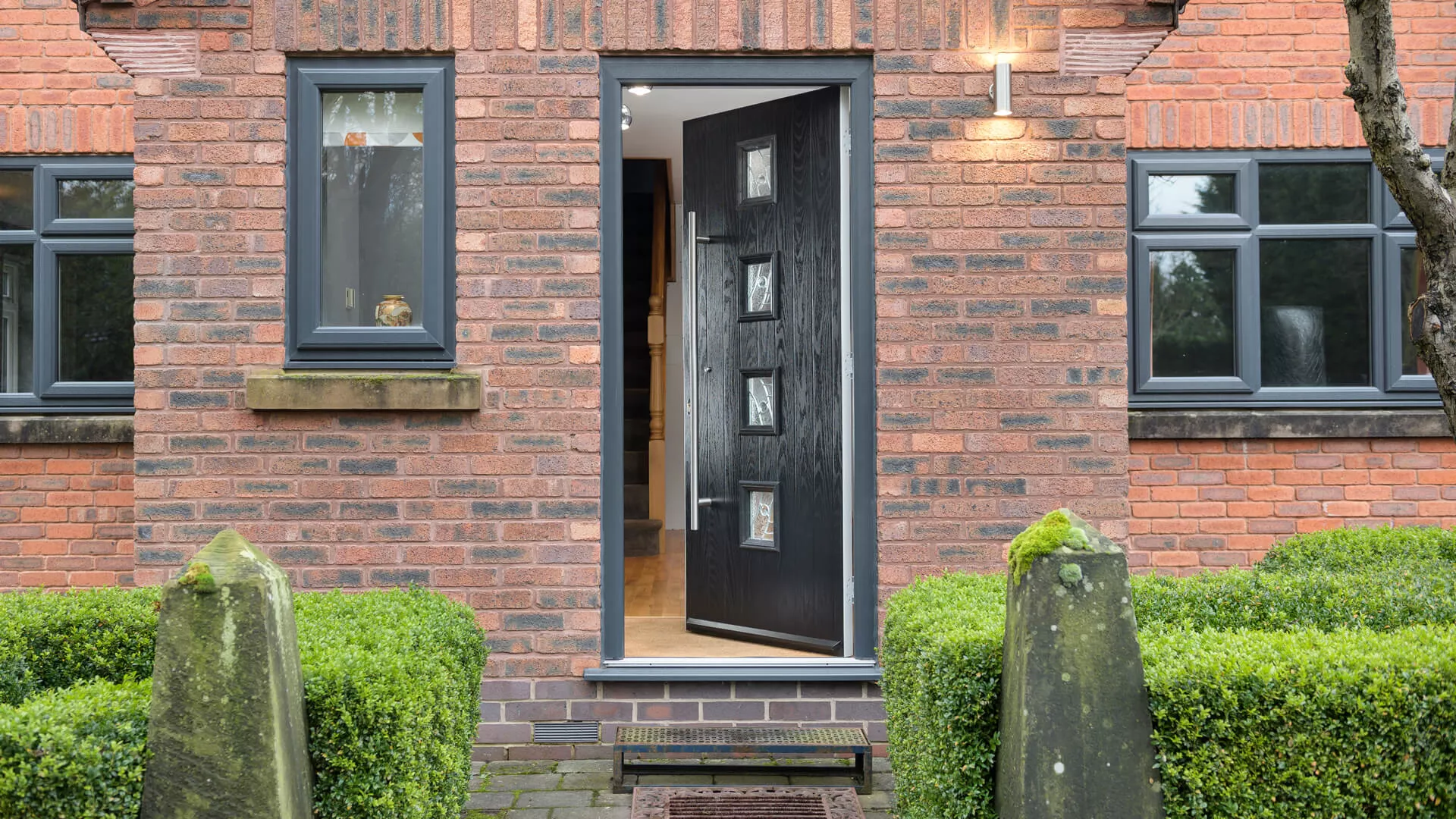
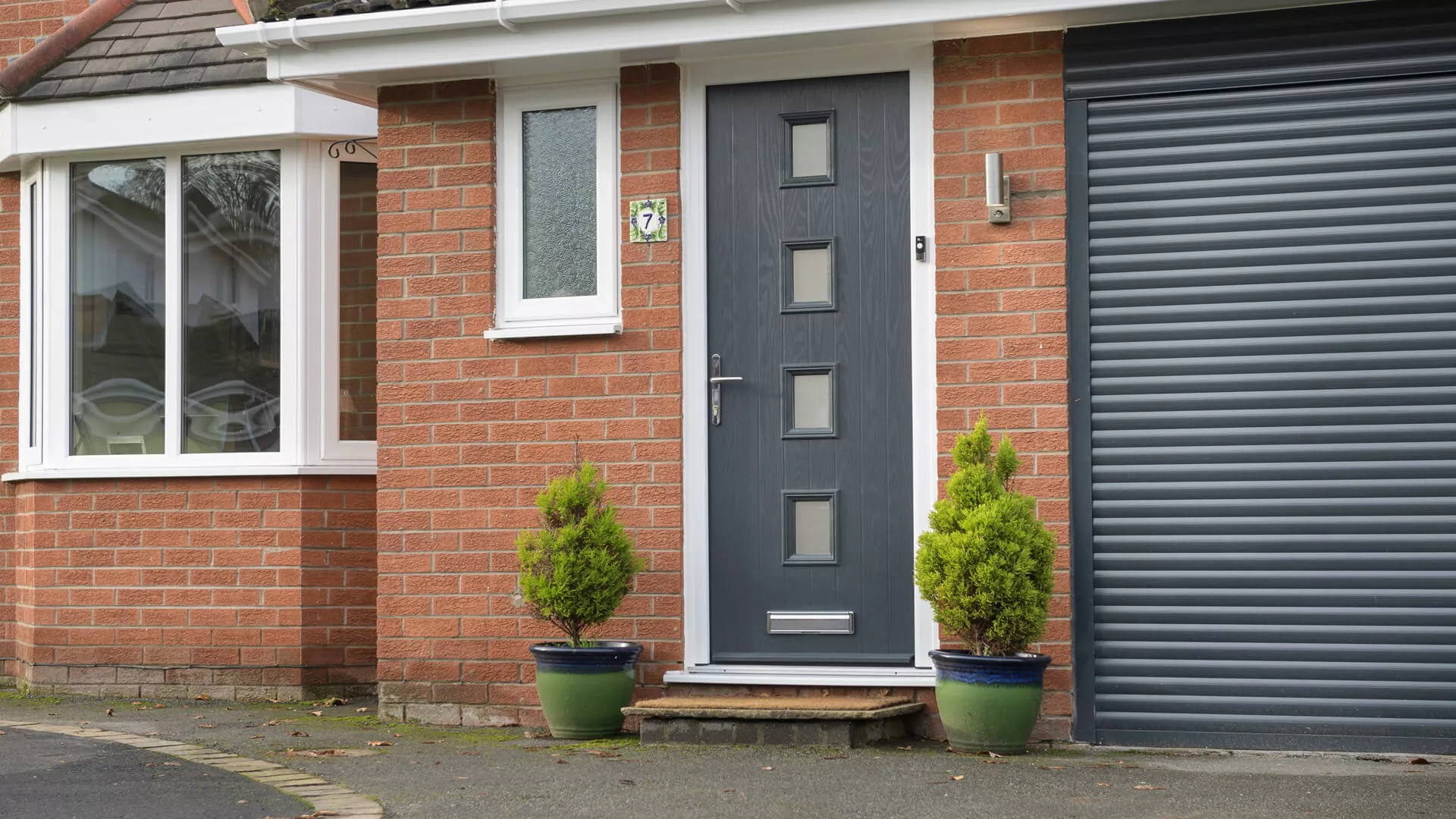
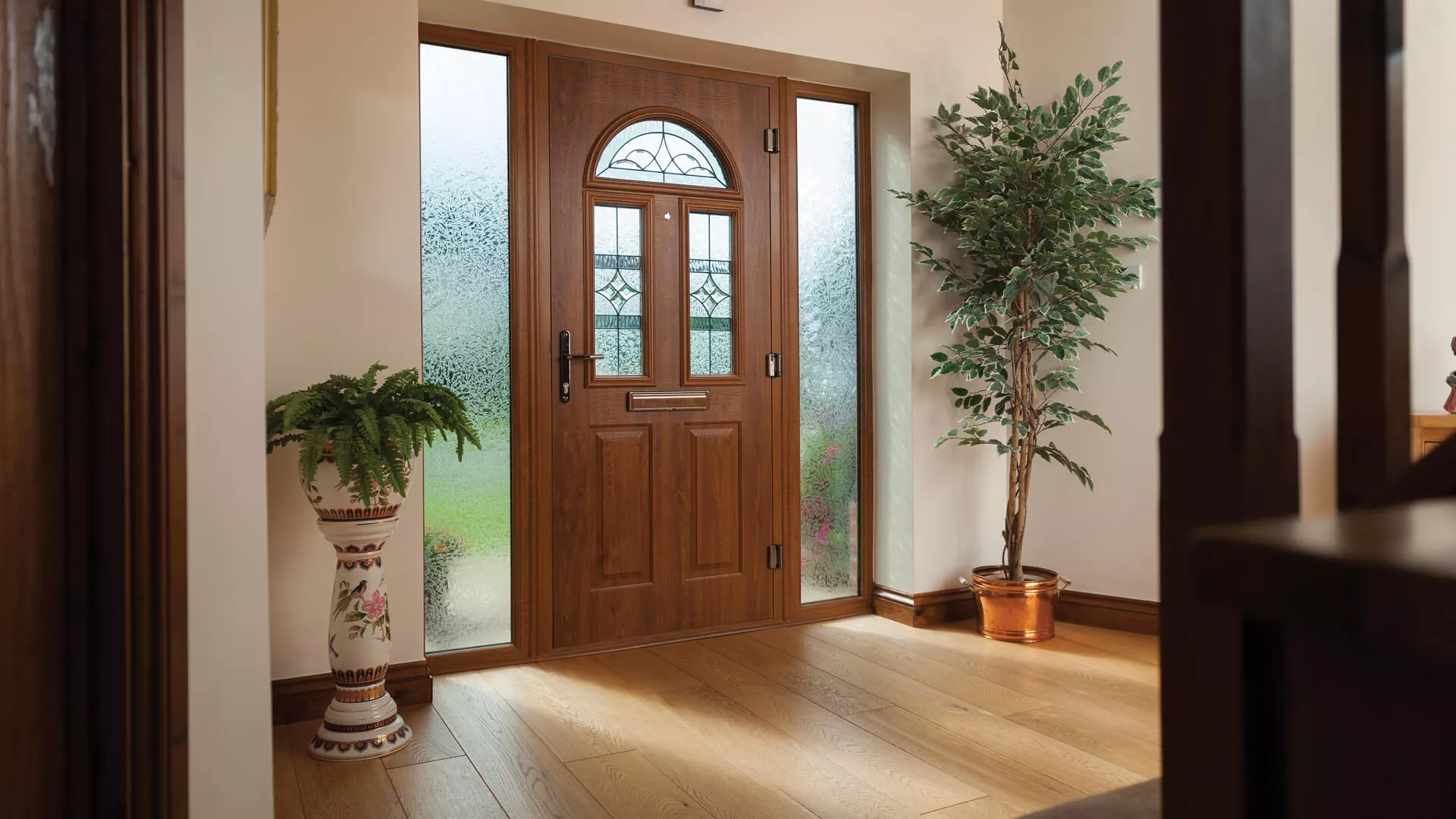
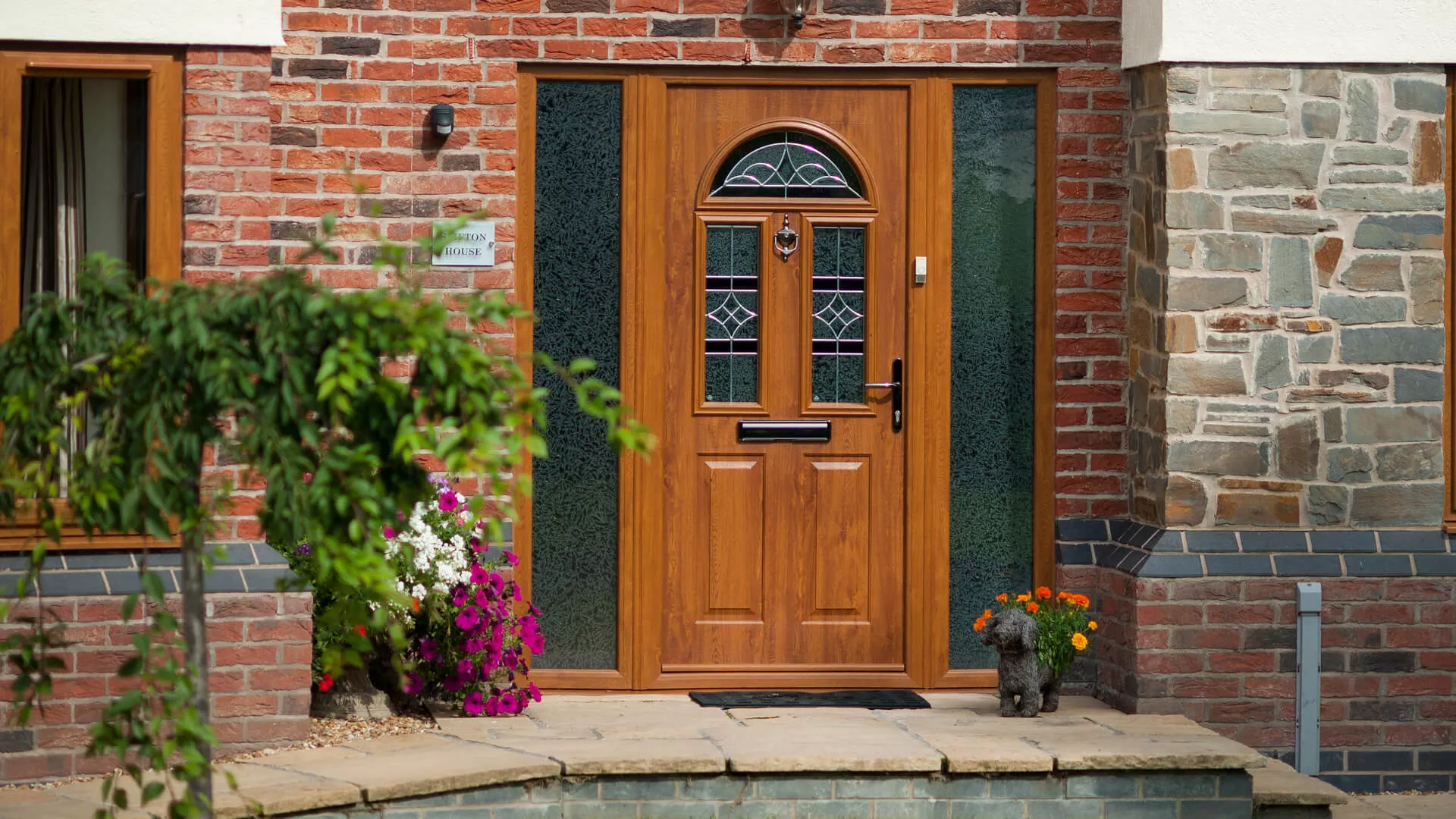
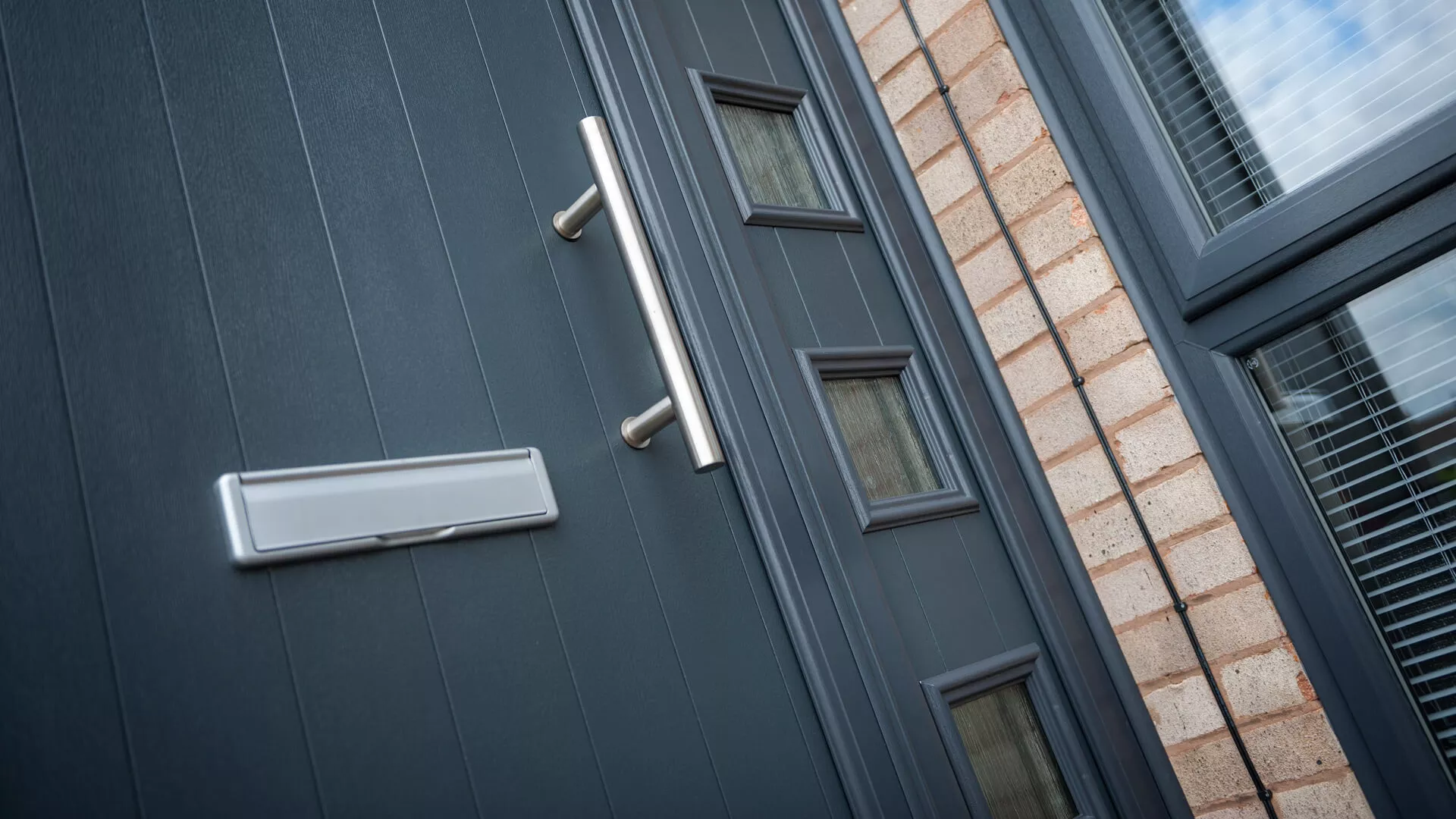
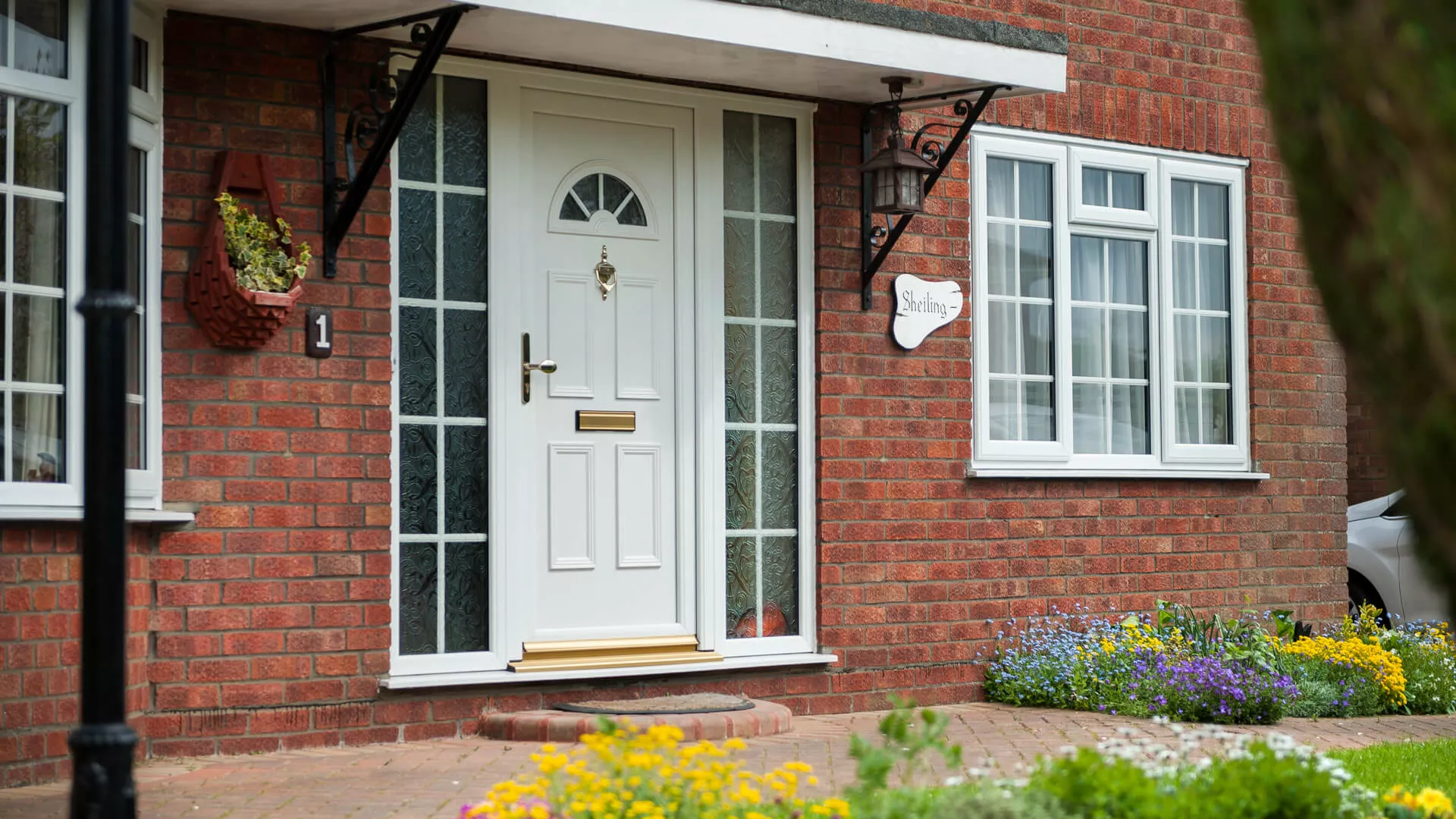
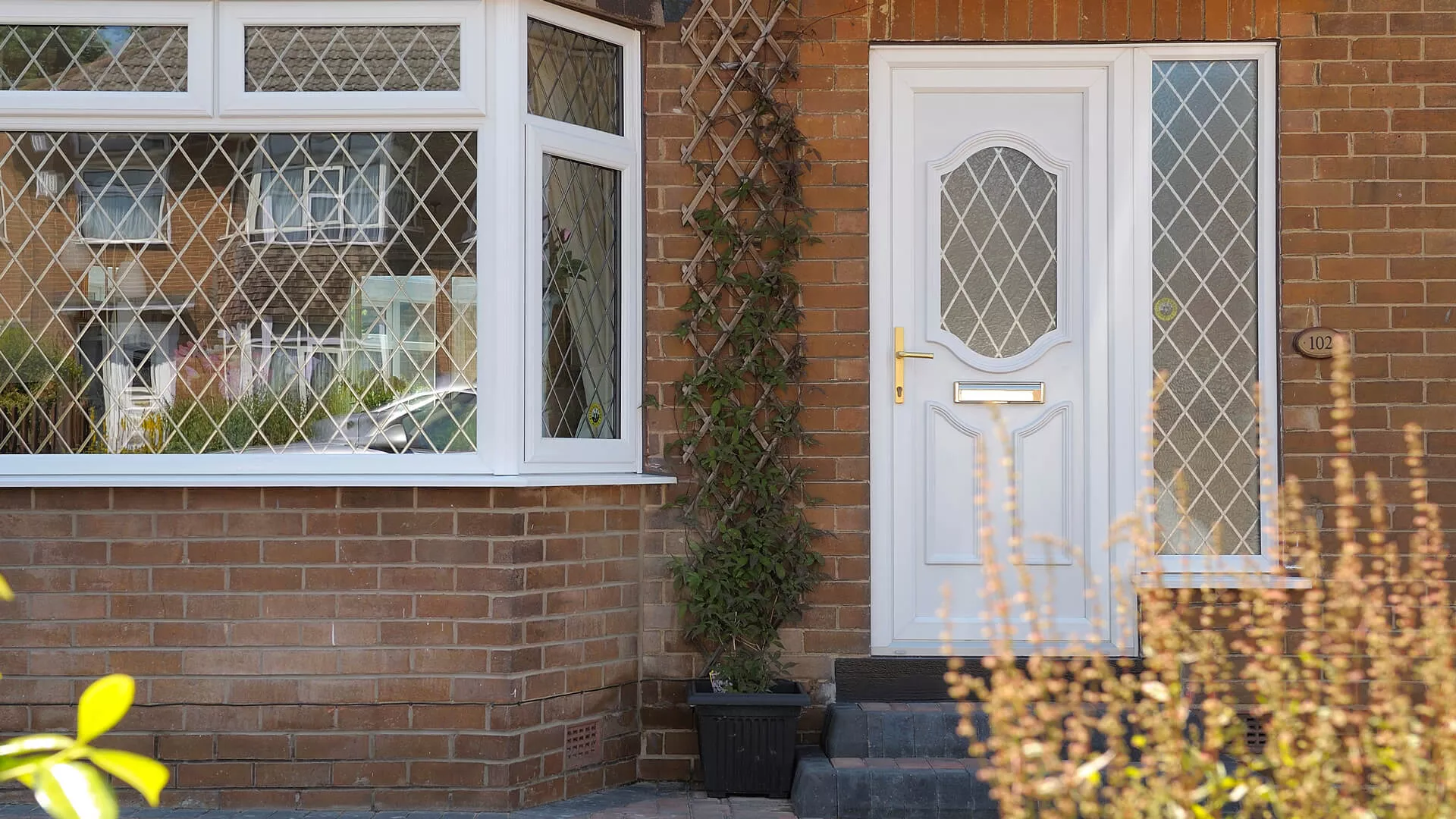
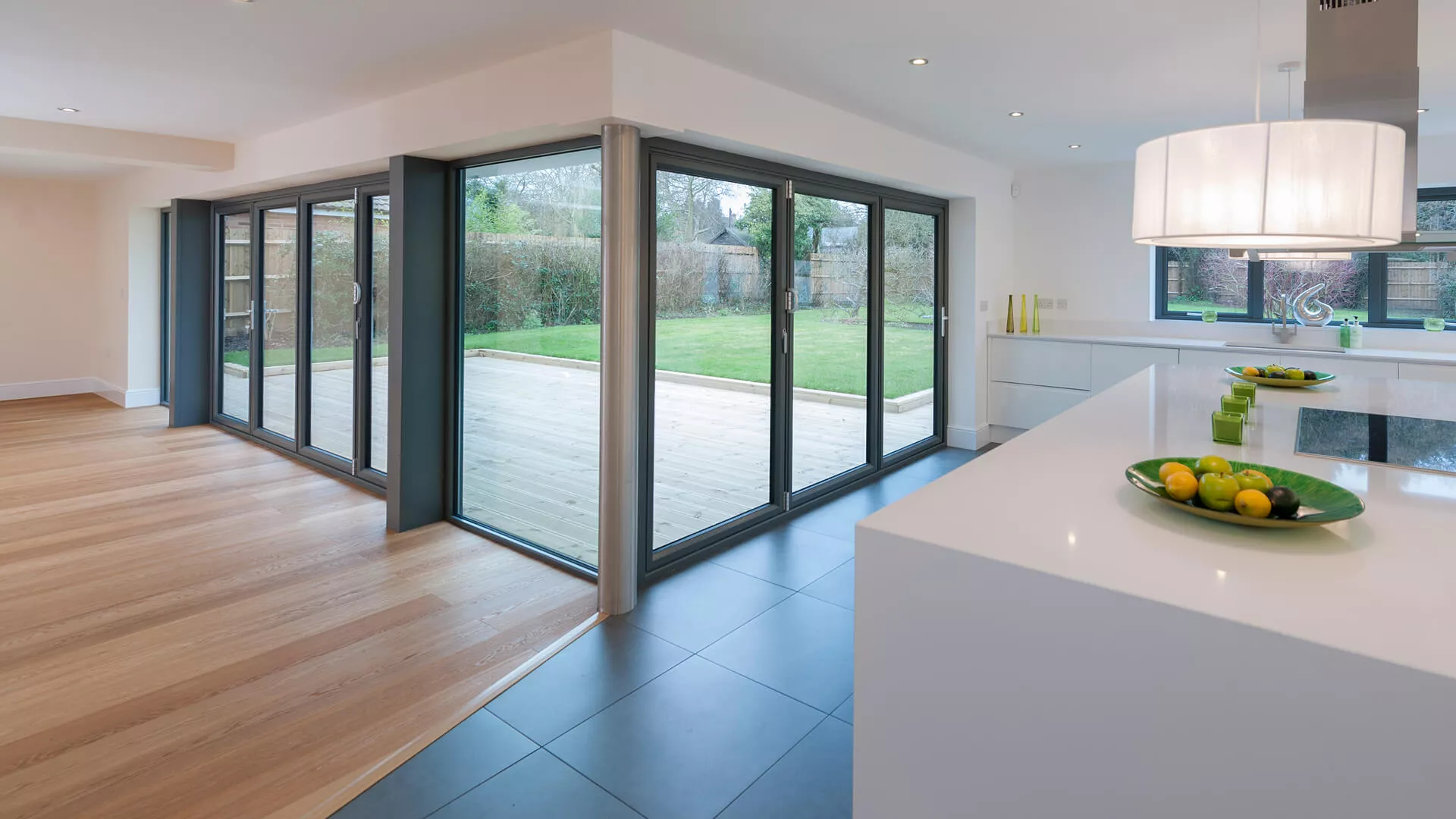
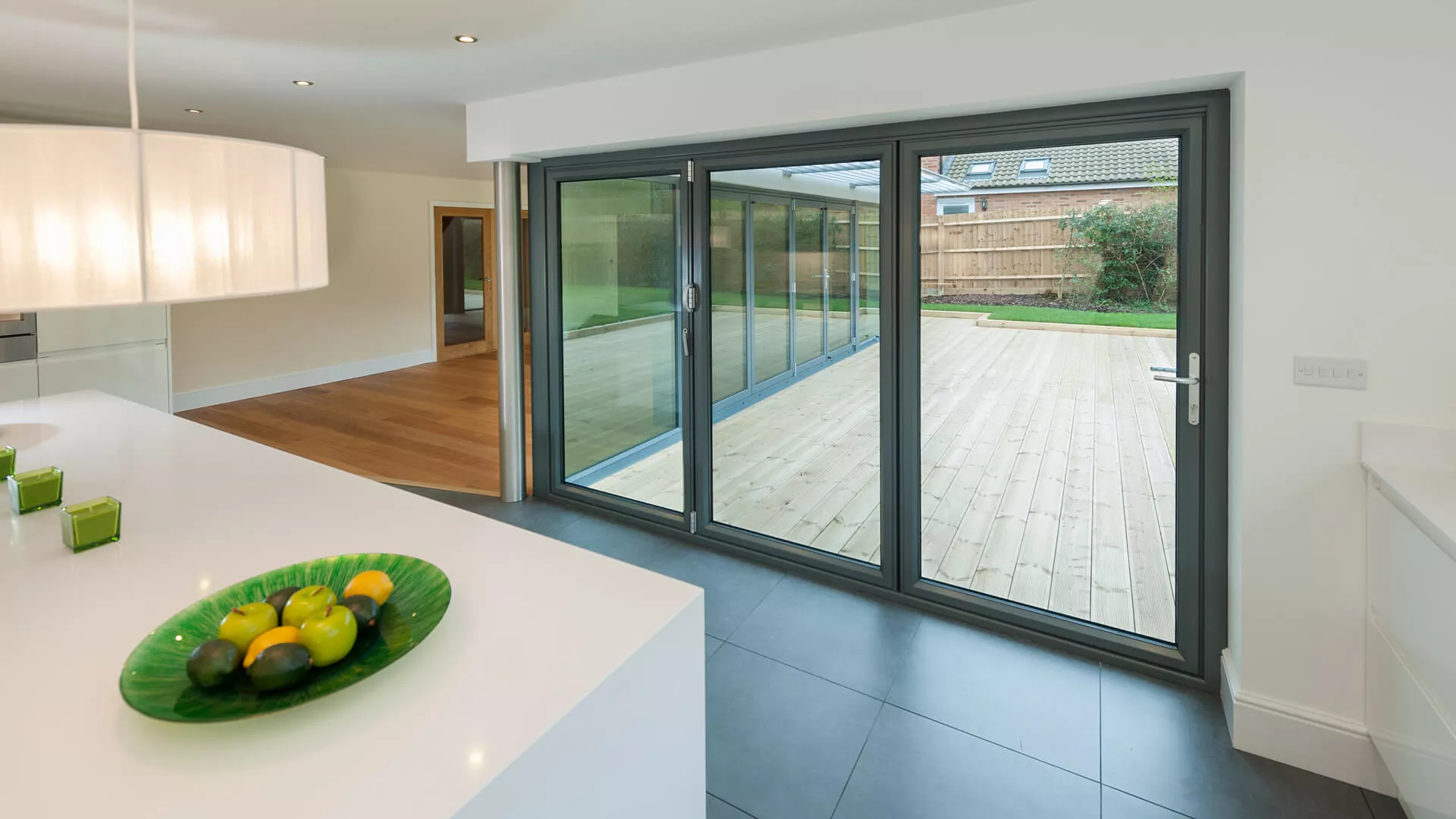
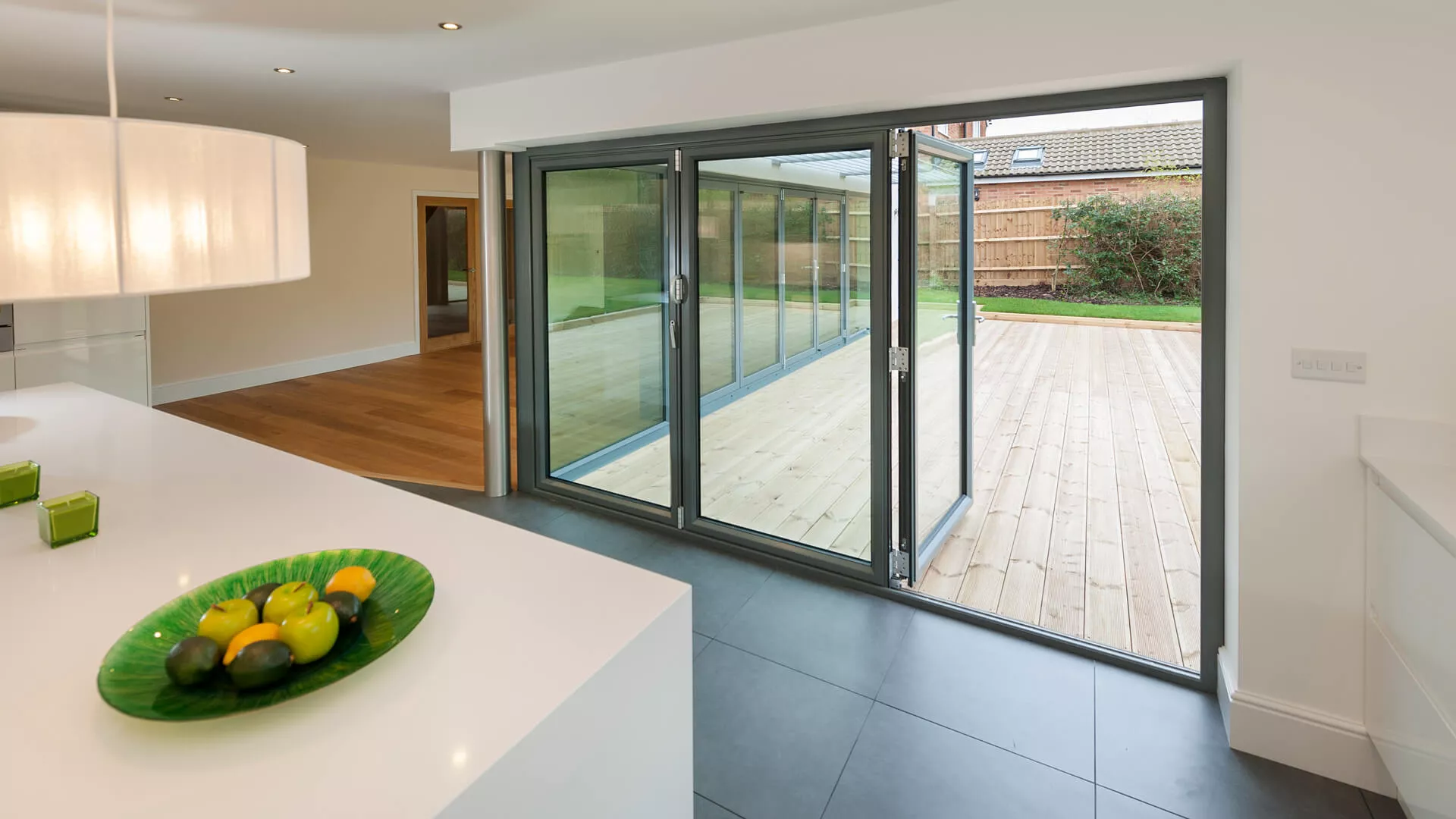
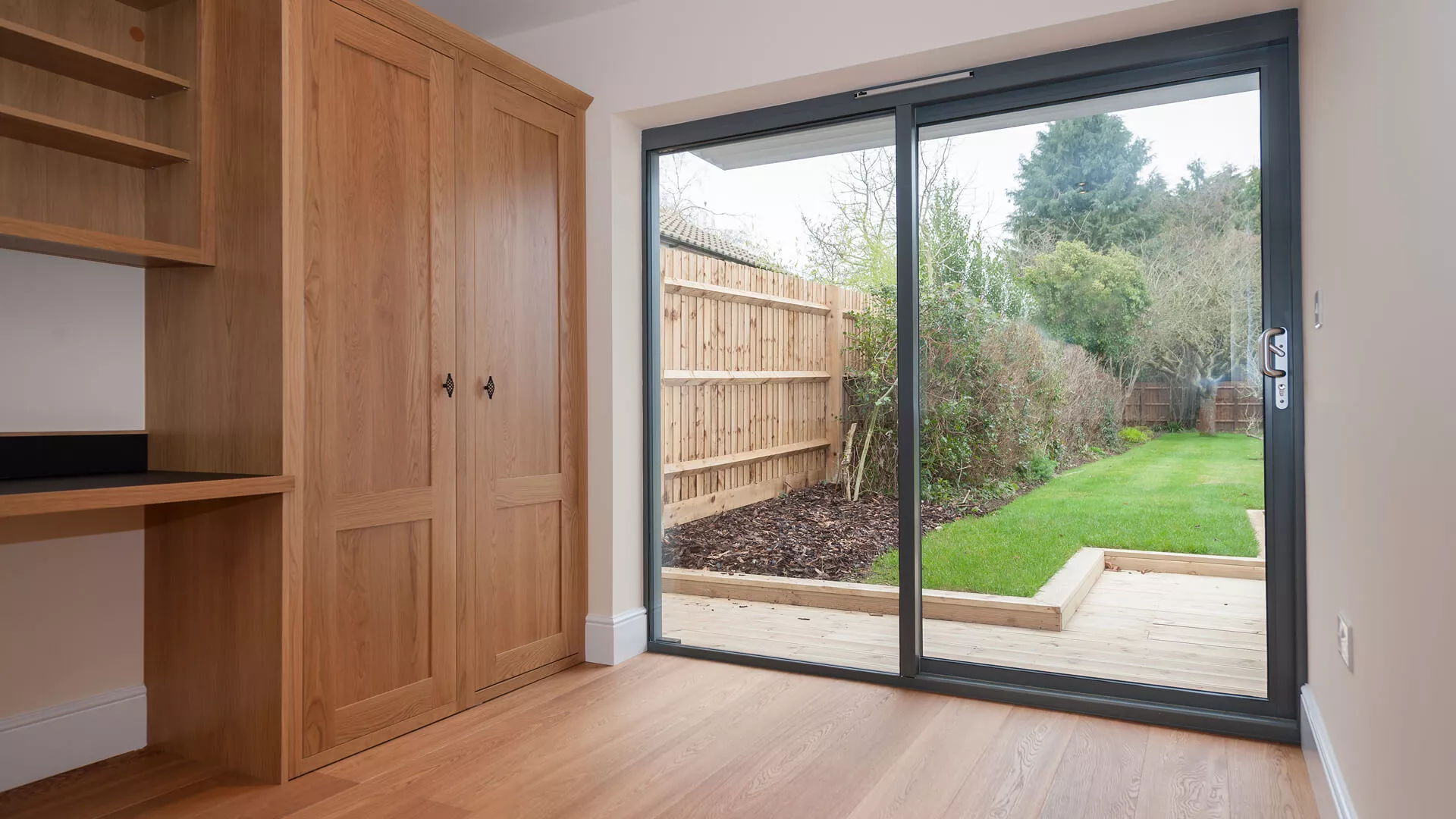
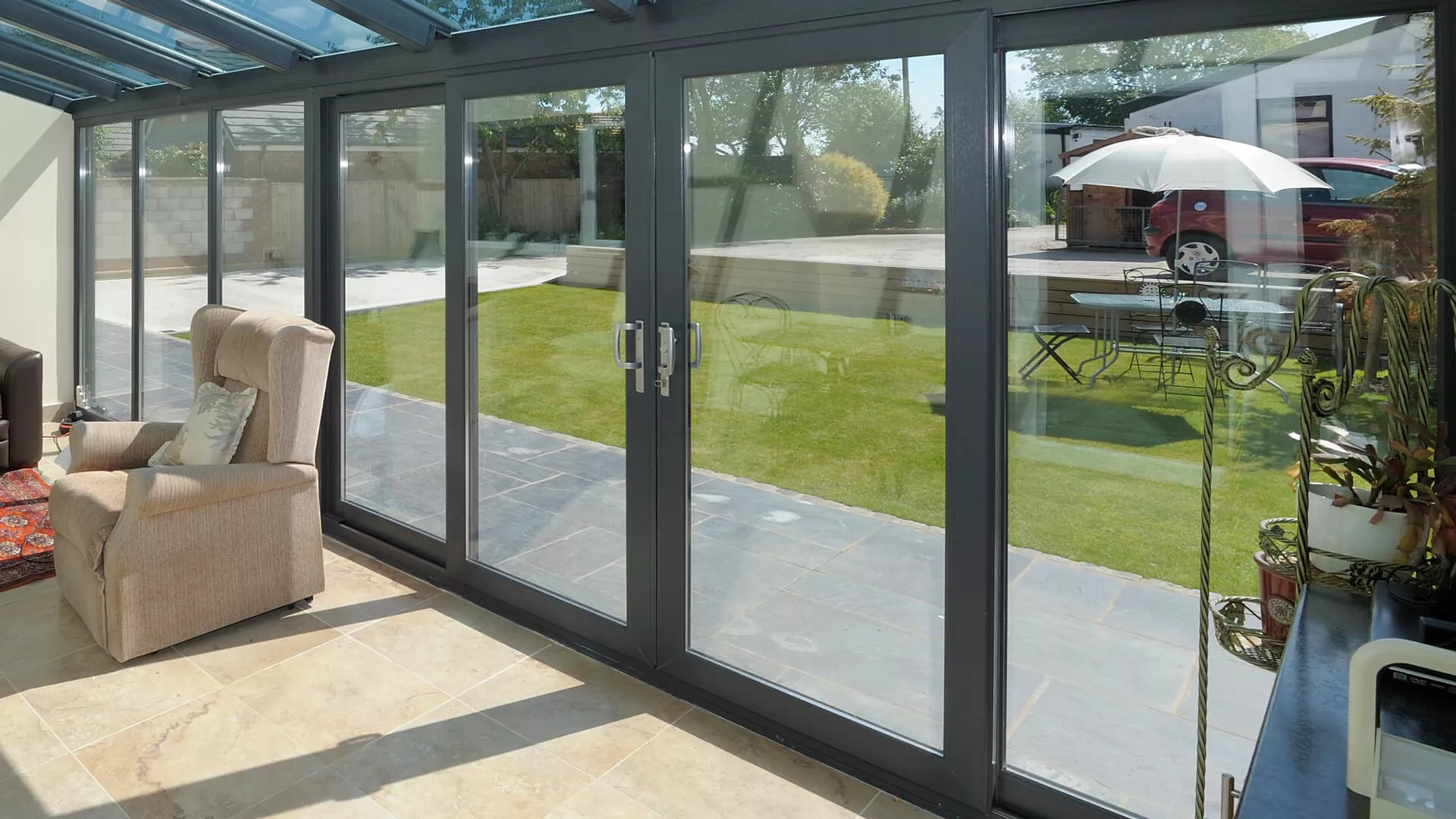
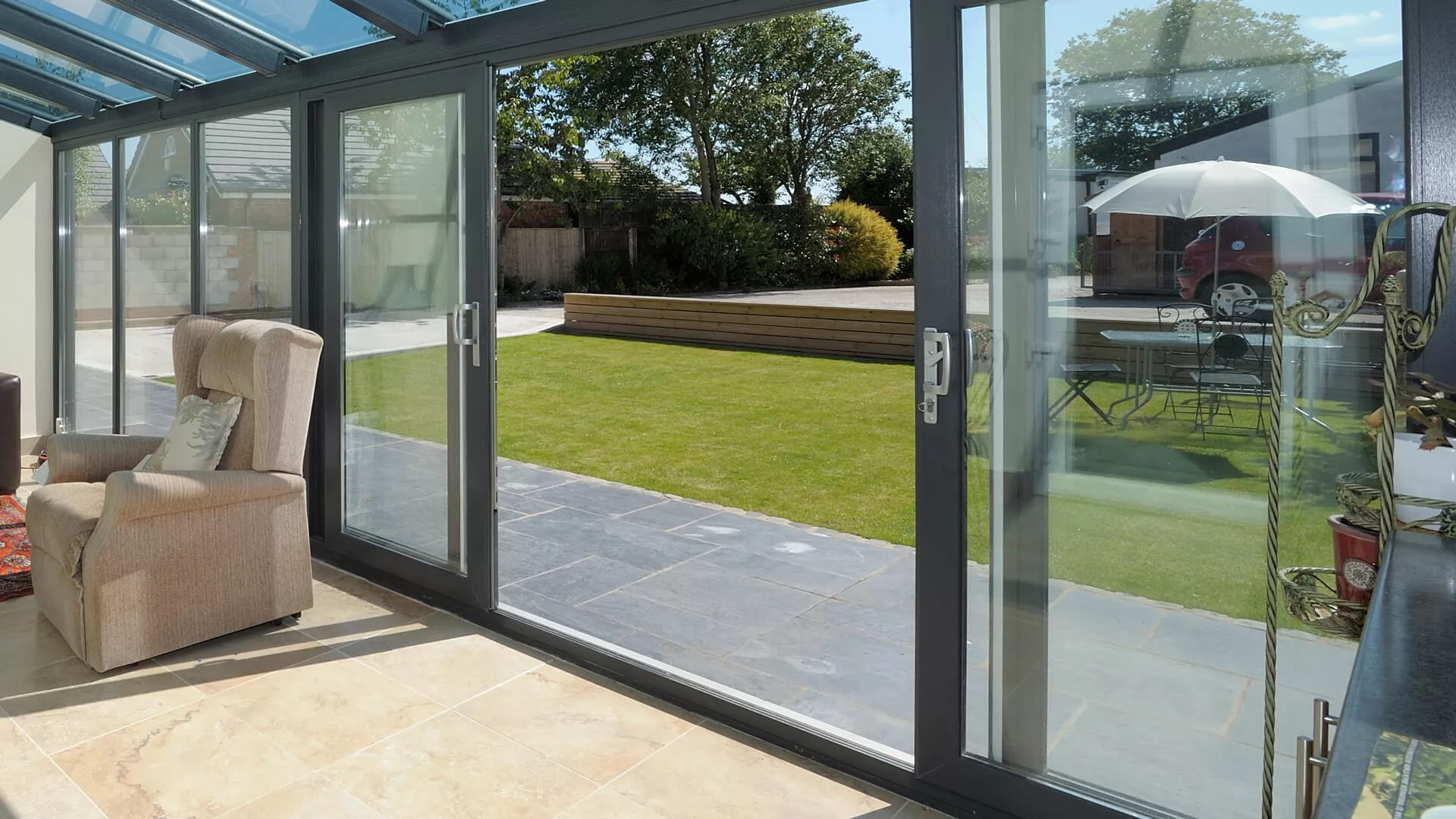
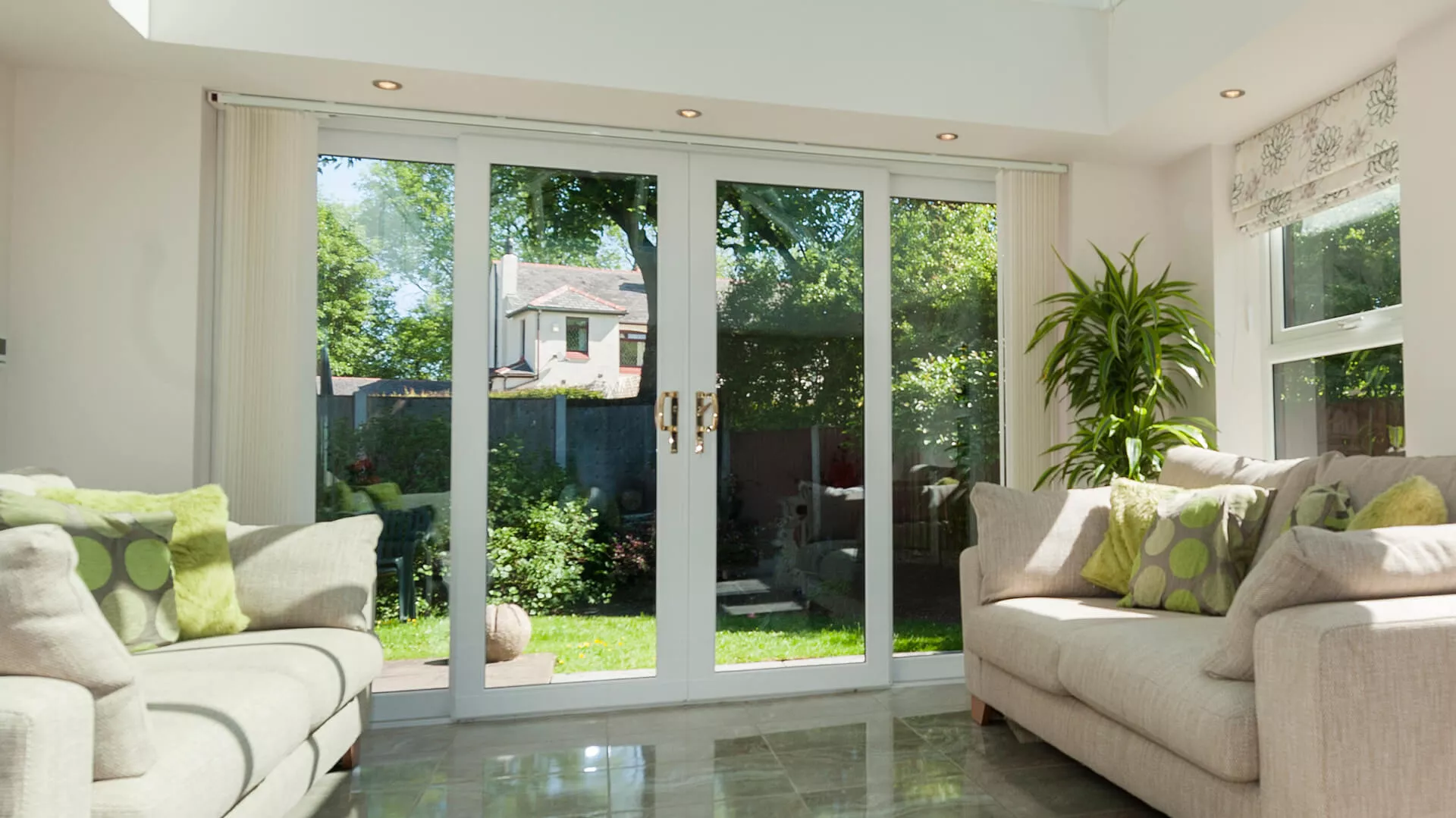
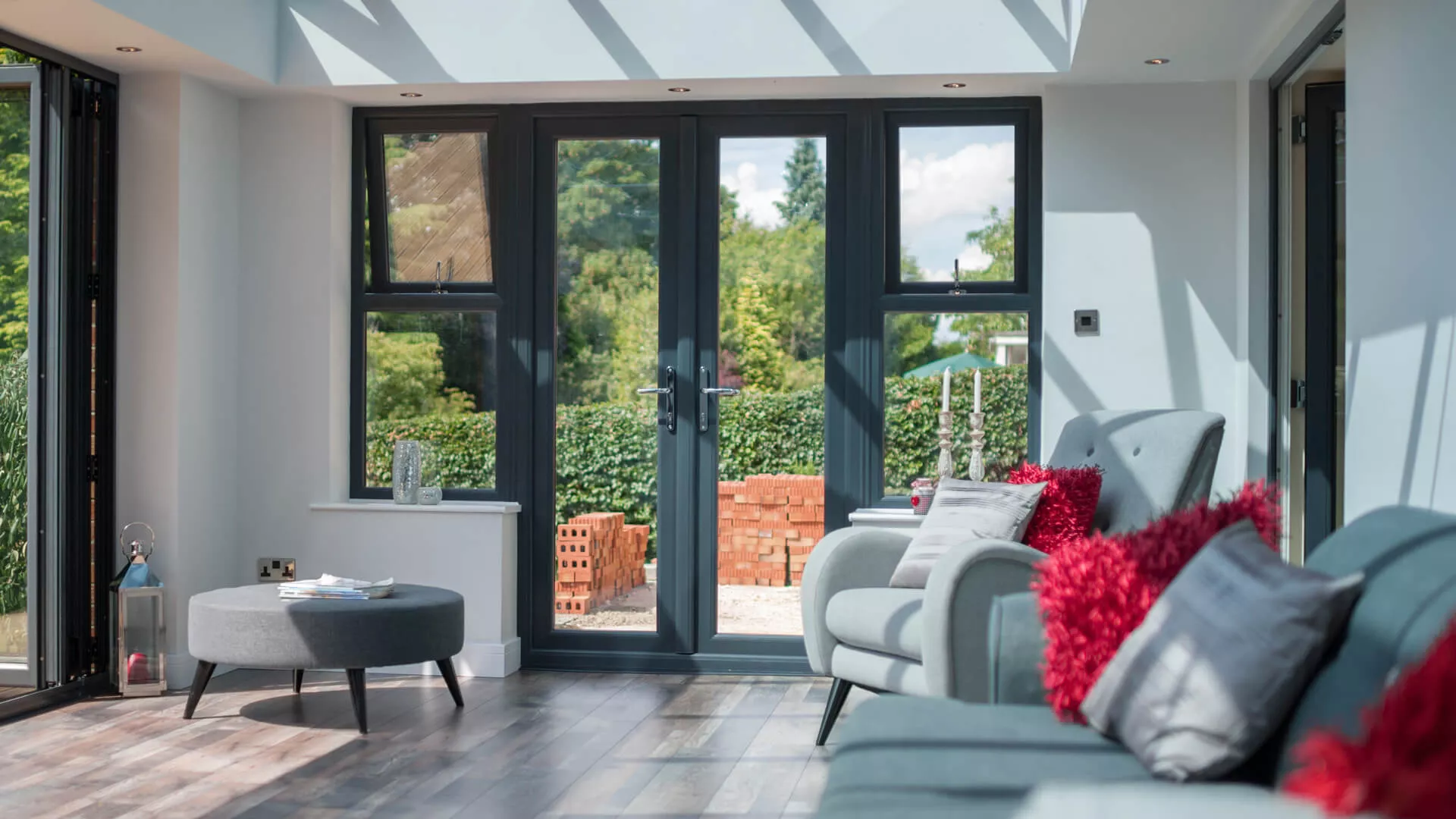
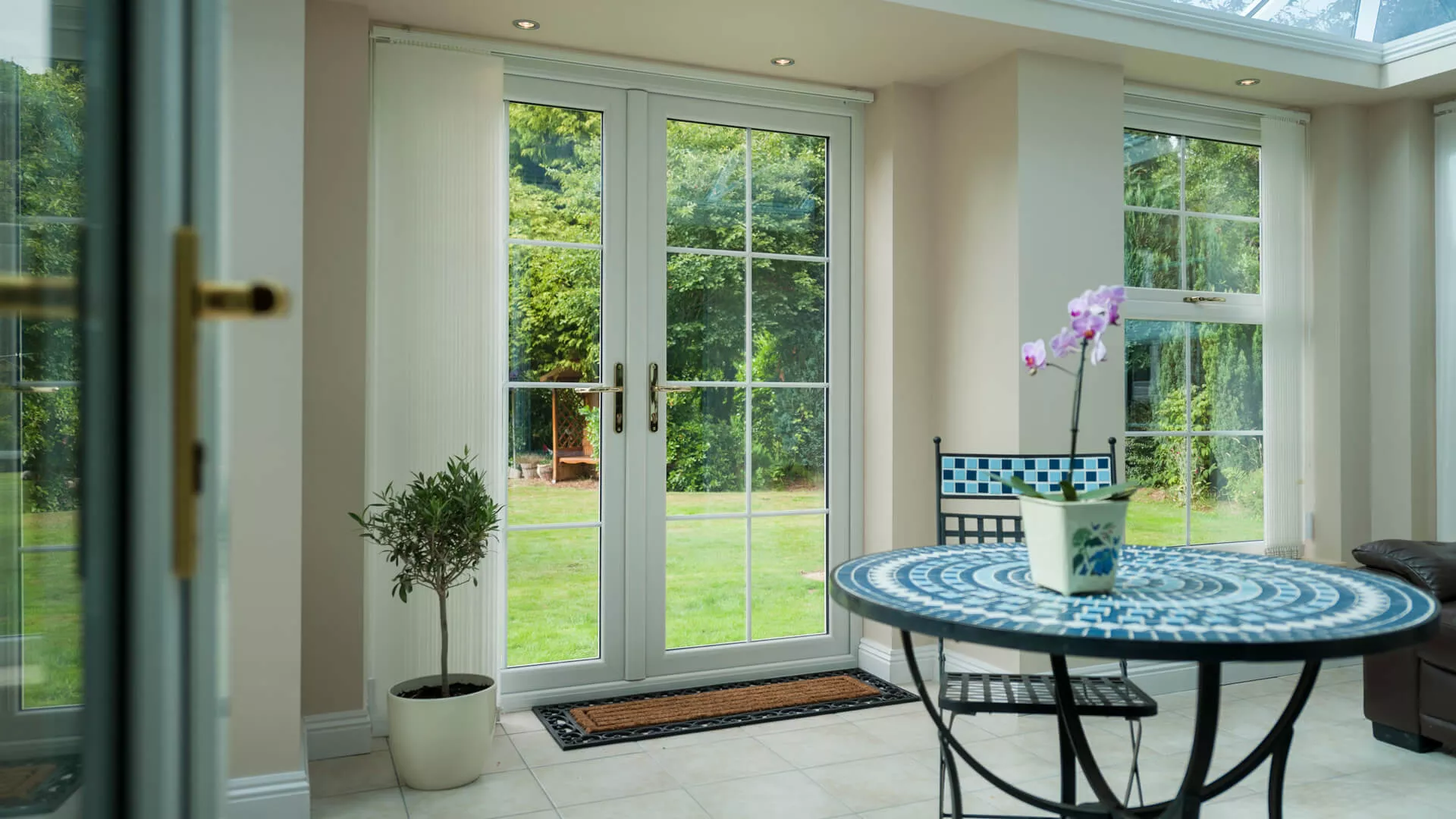
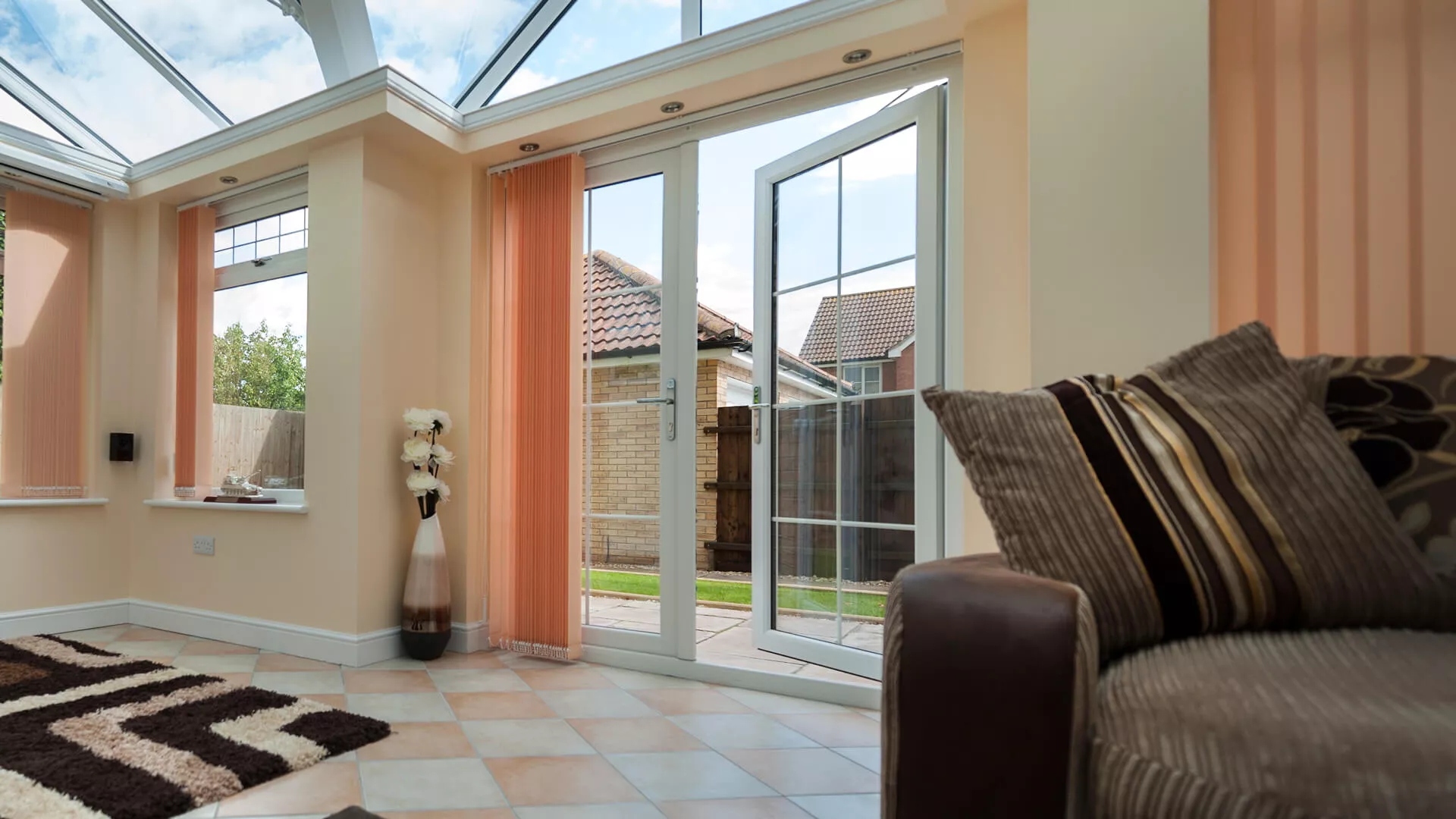
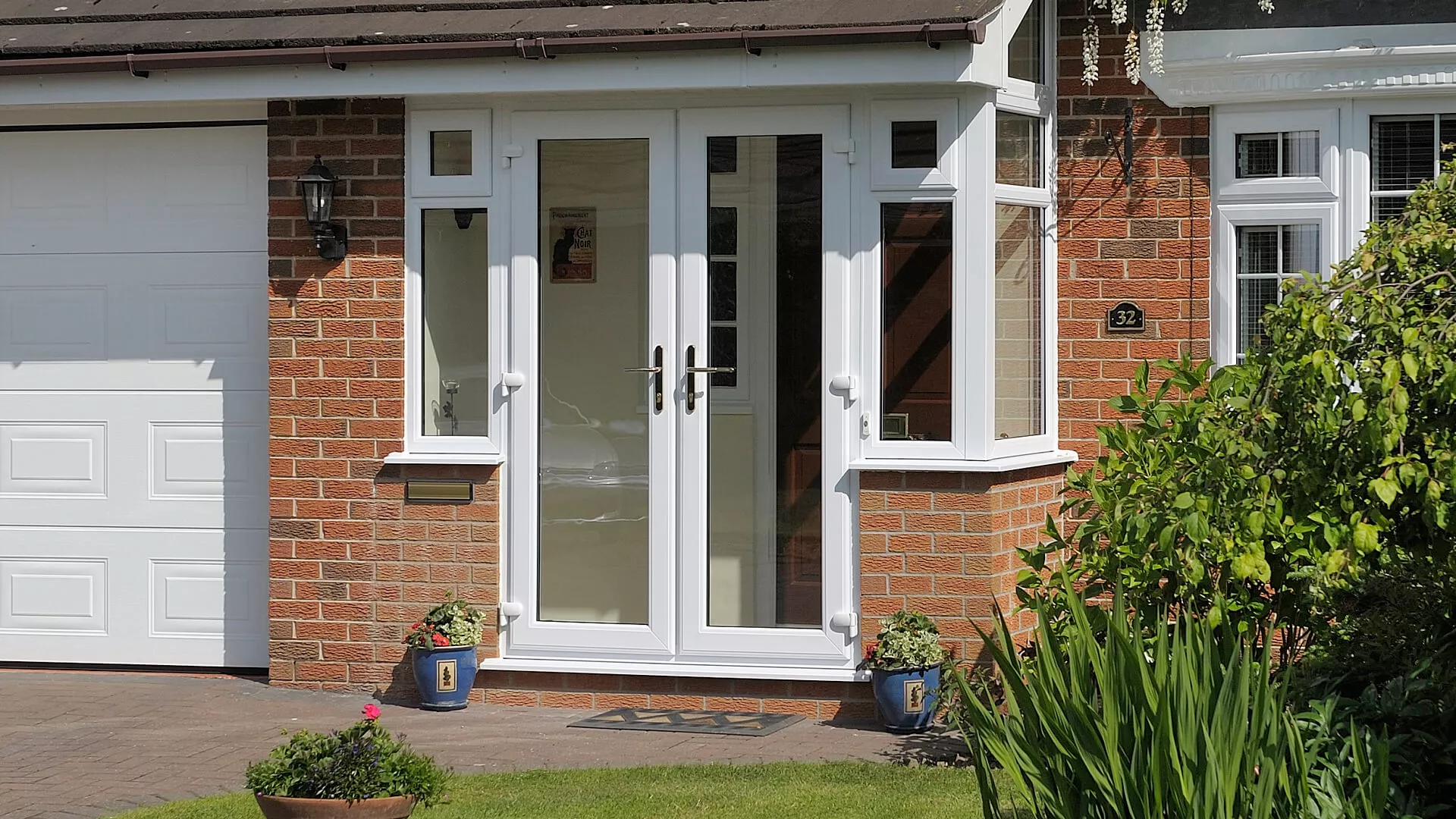
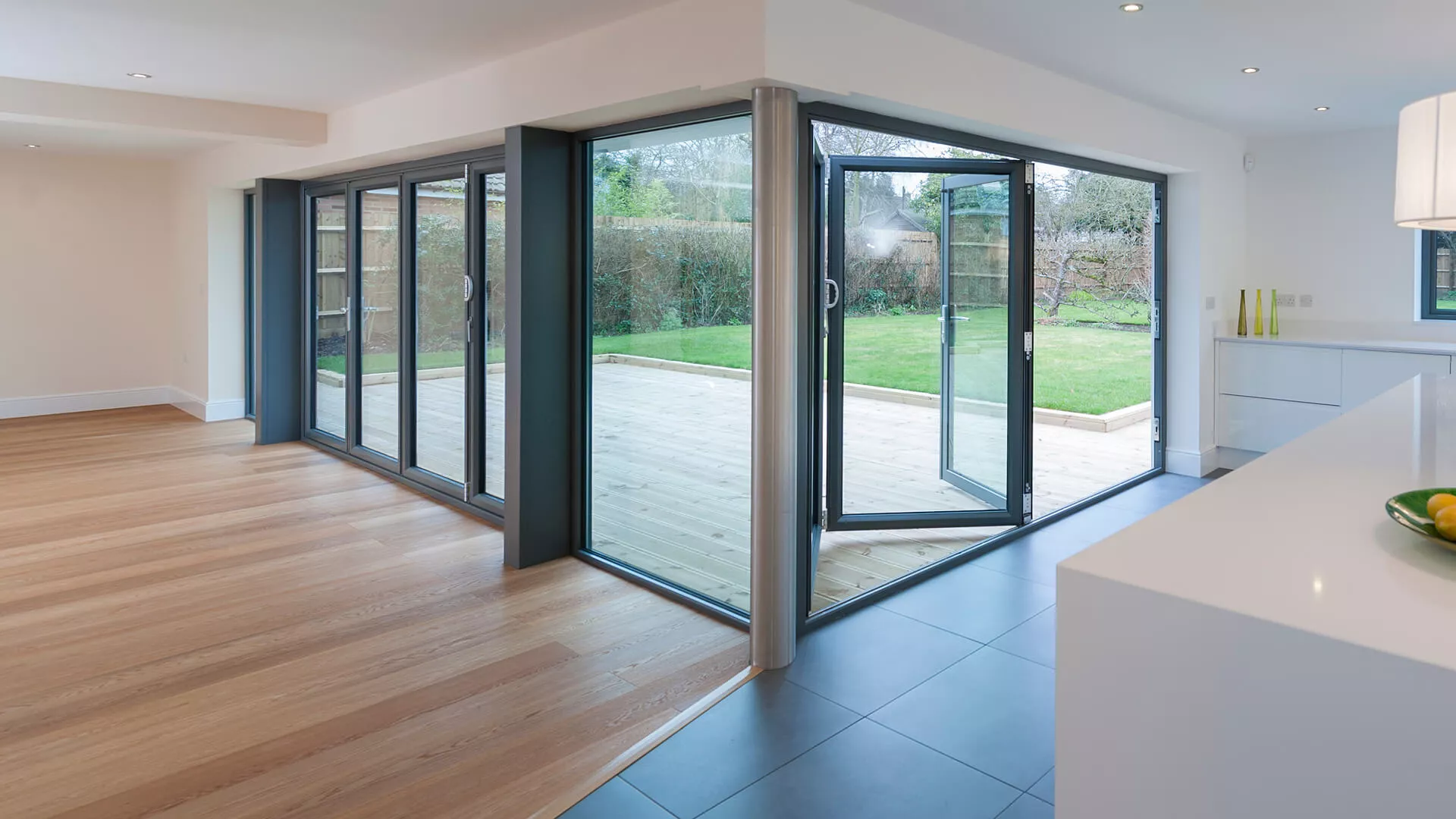
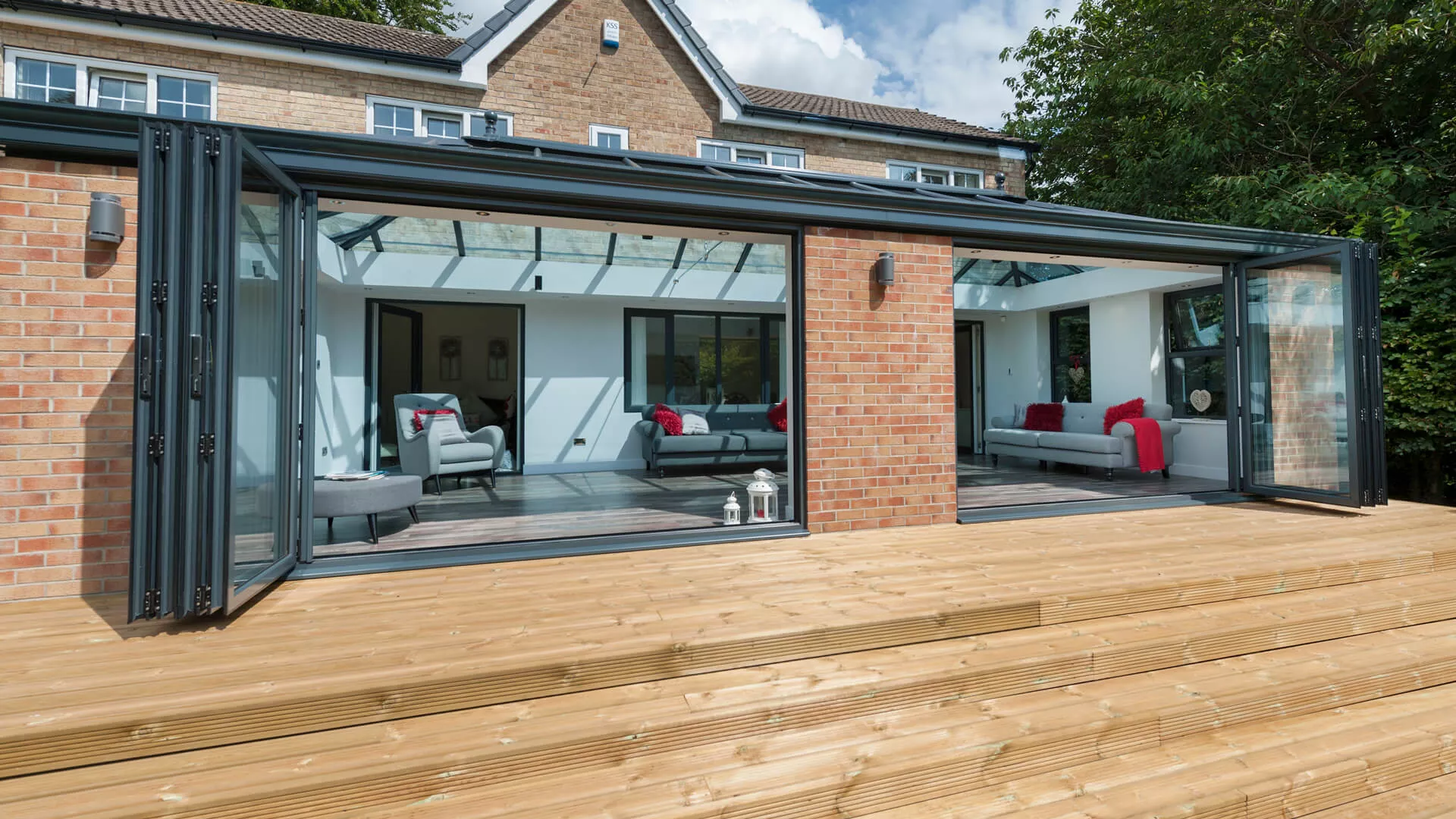
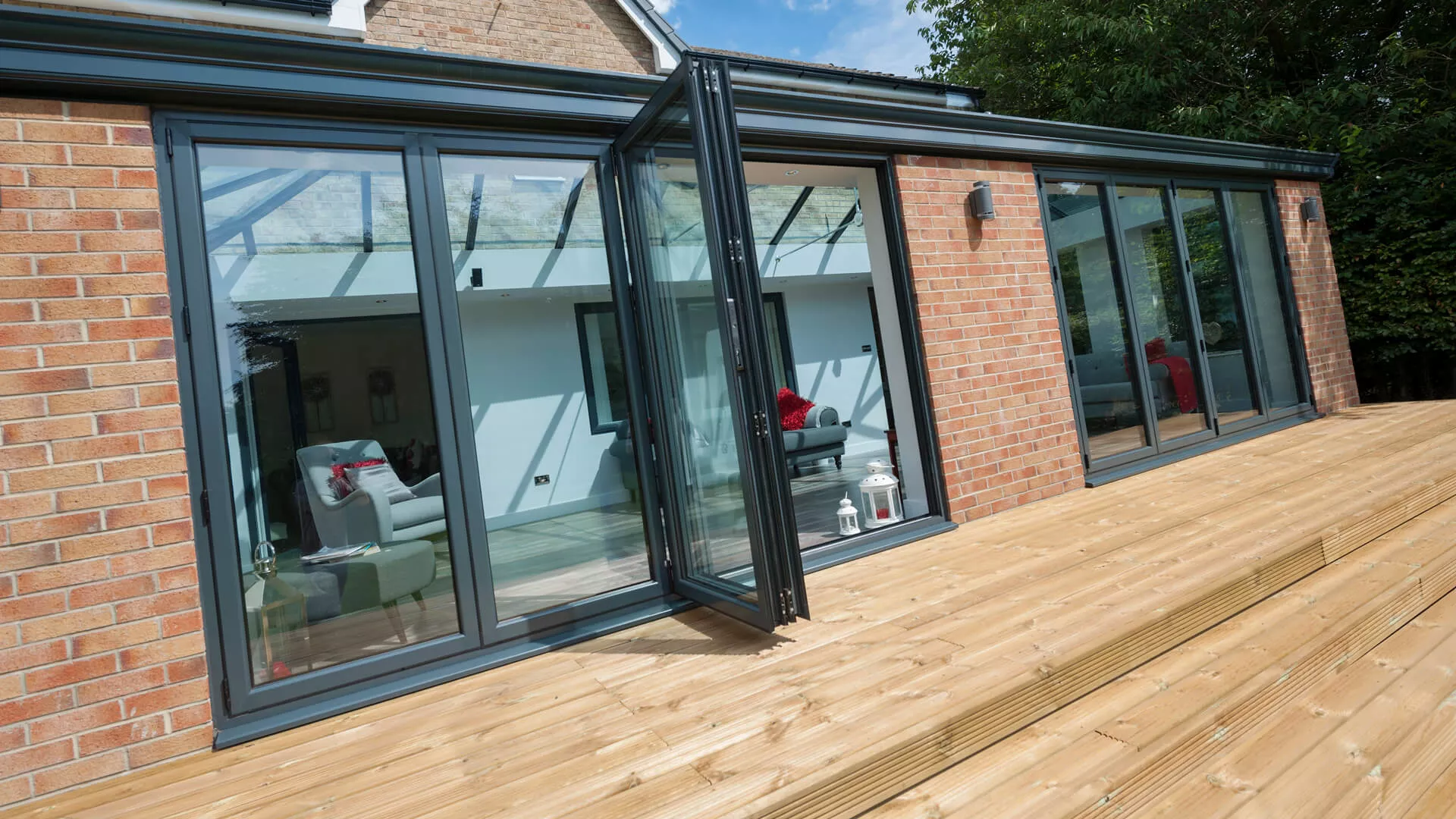
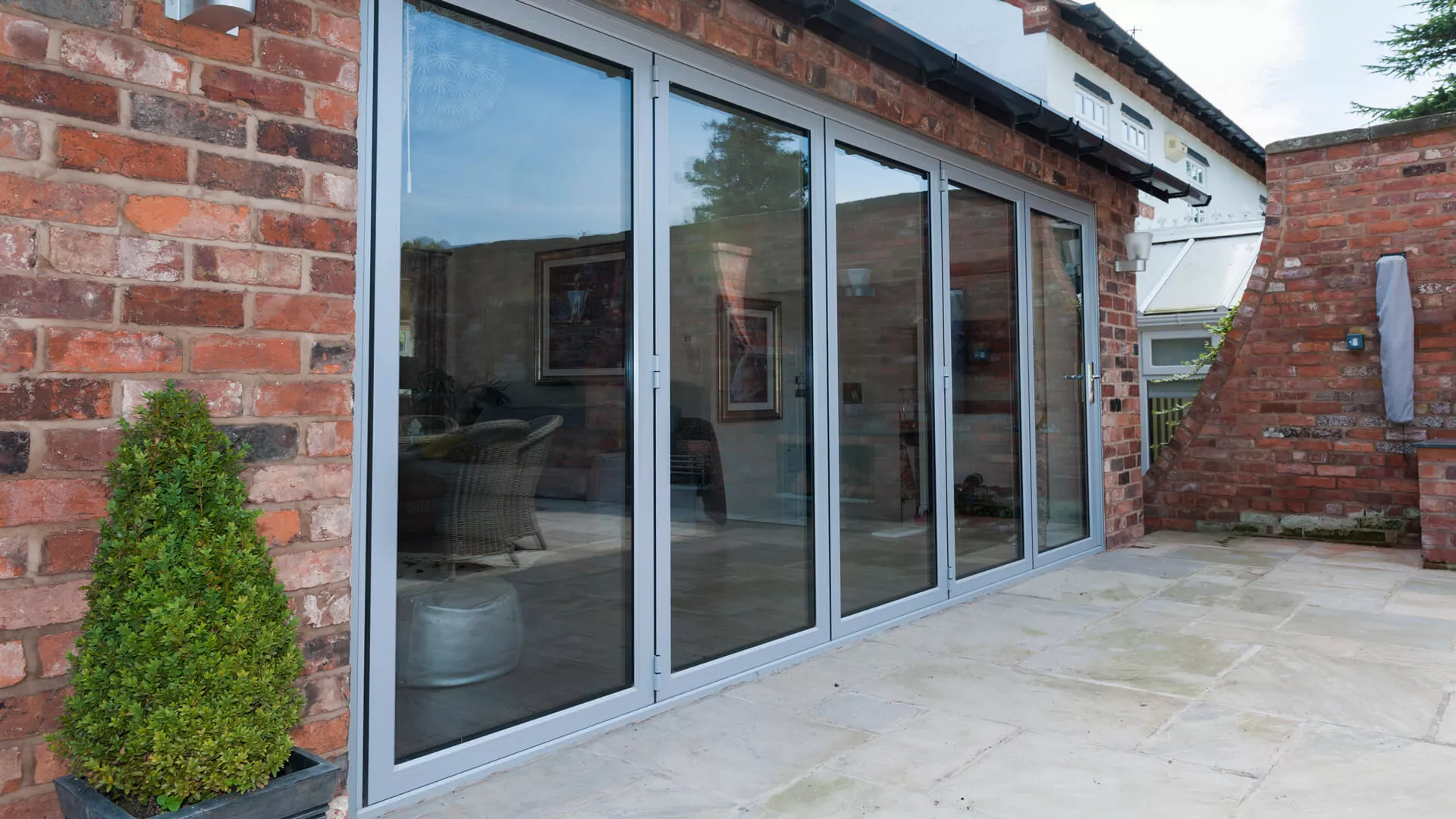
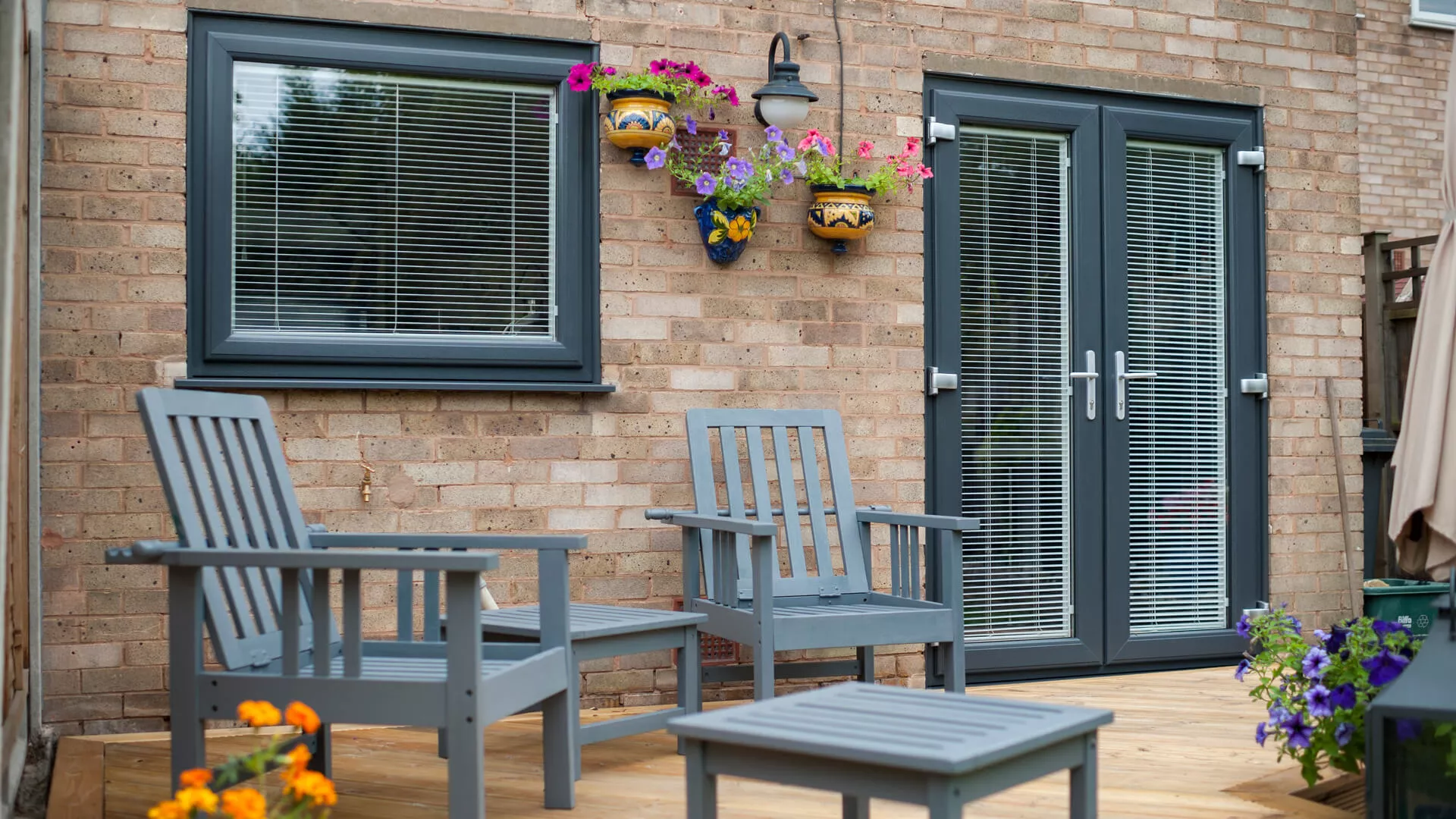
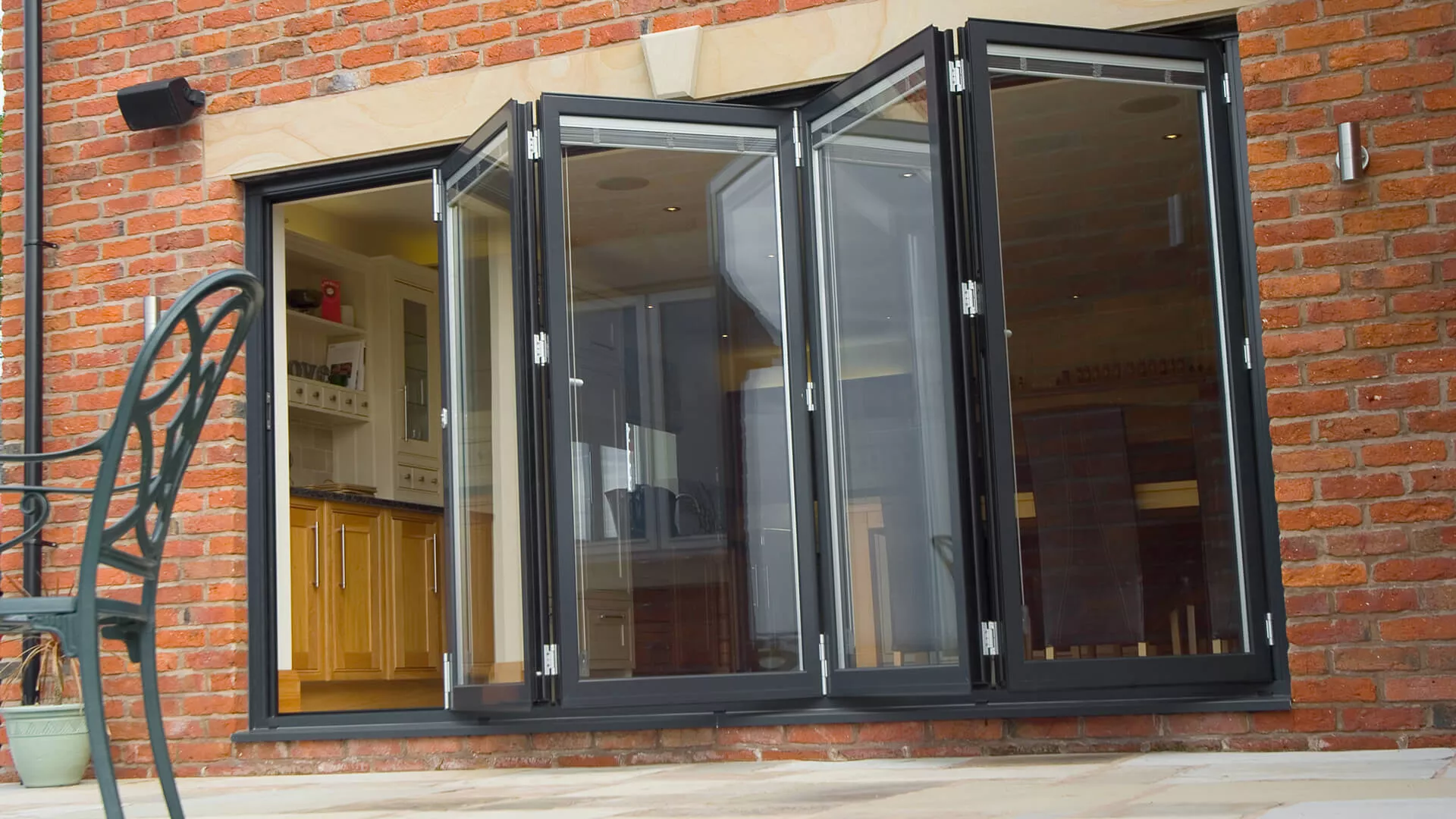
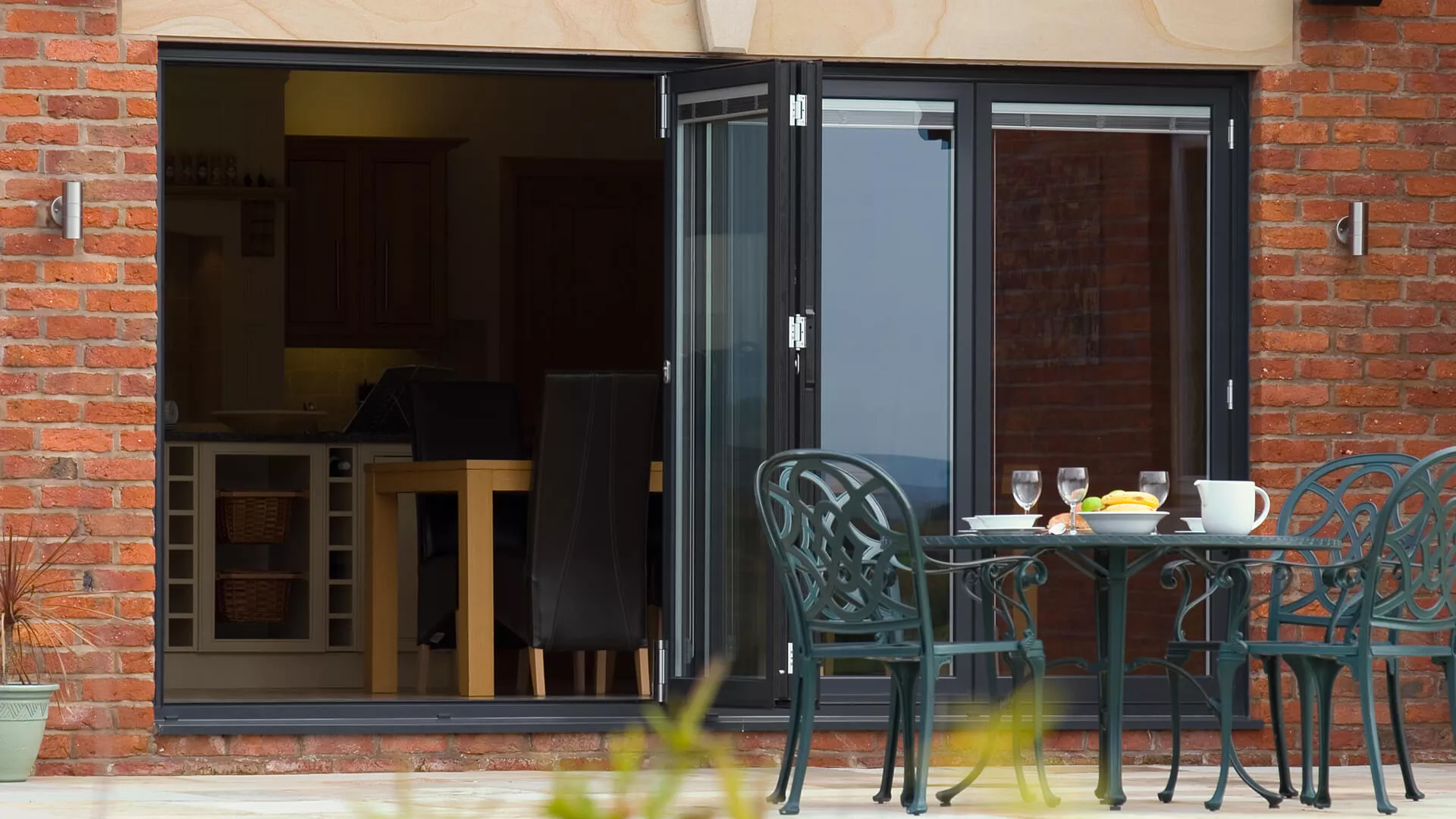
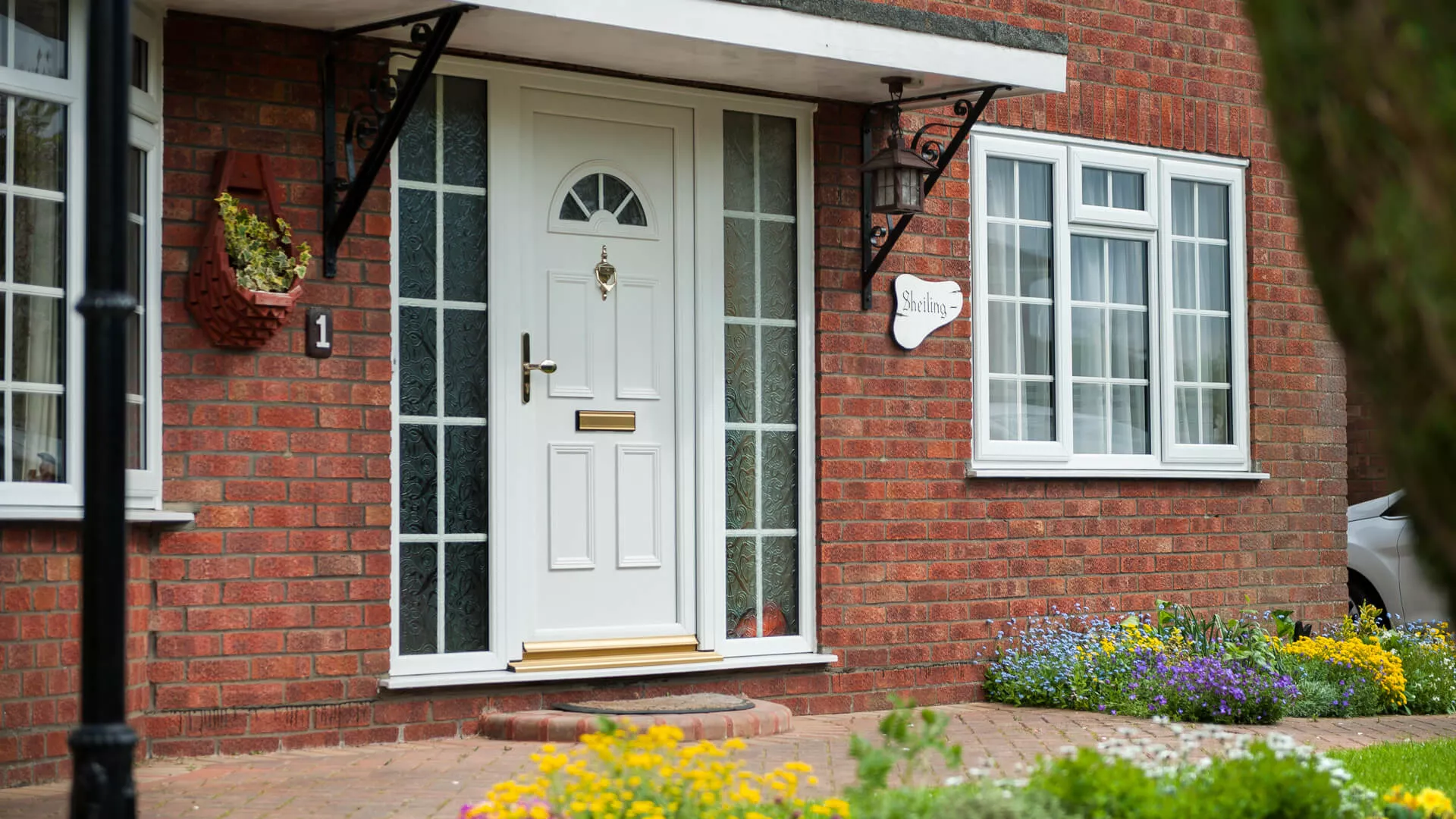
LOOKING FOR A NEW REPLACEMENT DOOR?
From French and patio to bi-folding, we offer an incredible variety of doors inlcuding the latest front and back door designs, all of which are made to measure for the perfect fit to your home.
LOOKING FOR A NEW REPLACEMENT DOOR?
From French and patio to bi-folding, we offer an incredible variety of doors inlcuding the latest front and back door designs, all of which are made to measure for the perfect fit to your home.
Request your free quote today!
Simply fill in your details for your free, no obligation quotation, and click "Get Quote"